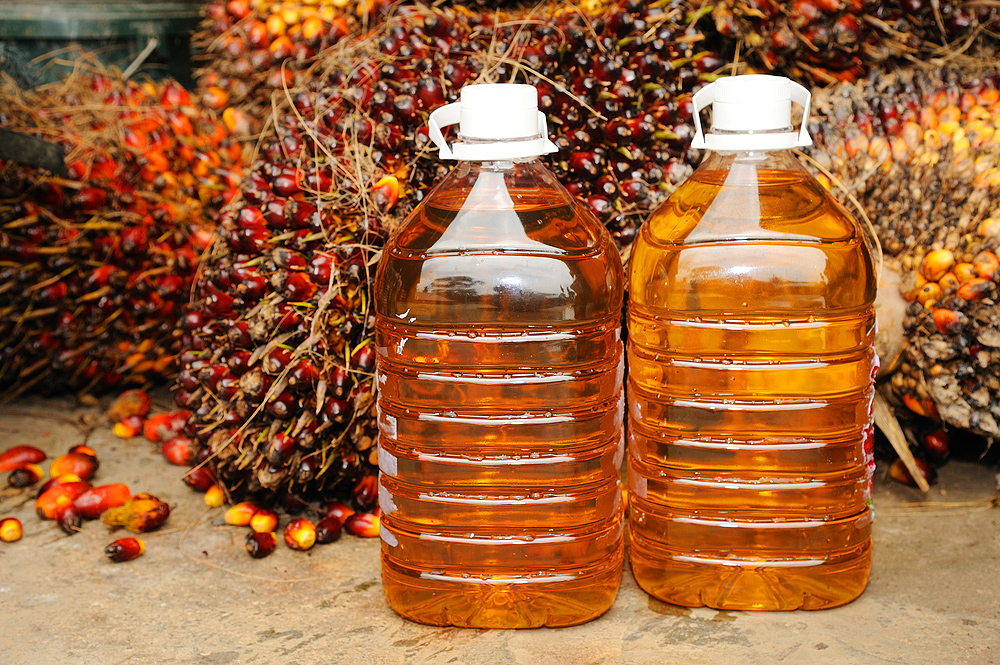

The Palm Oil
Palm oil is the most widely-used vegetable oil in the world. Bangladesh market have very demand this palm oil. It is found in approximately 60% of all packaged products in supermarkets today. It plays a significant role in the production of various items, such as cookies, where it ensures a deliciously crispy and crunchy texture. Additionally, palm oil is a key ingredient in margarine, providing a smooth and spreadable consistency.
Palm oil is squeezed from the fruits of the oil palm tree (Elaeis Guineensis). Oil palm trees grow in regions around the equator. The oil palm is a tropical tree with leaves about 5 meters long. What the tree loves above all, is sun and humidity. It thrives on plenty of sunshine, temperatures ranging between 24 and 32 degrees centigrade and rainfall evenly distributed throughout the year.
Standard Specifications for Processed Palm Oil
Refined, Bleached & Deodorised (RBD) Palm Oil
| FFA (as Palmitic) | 0.1% Max |
| M & I | 0.1% Max |
| I.V | 50 – 55 |
| M.Pt degrees C (AOCS Cc 3 – 5) | 33 – 39 |
| Colour (5.25″ Lovibond Cell) | 3 or 6 Red Max |
Where does palm oil come from
When the oil palm trees are three to four years old, they develop palm fruit in bunches. The fruit bunches are harvested throughout the year. Each bunch contains hundreds of palm fruits. Palm fruits are about the size of large olives. The oil is pressed from the orange pulp of the fruit. Each palm fruit contains about 30-35 per cent palm oil. The fruit has a single seed or kernel, which is used to produce palm kernel oil.
Where is palm oil grown
The most suitable areas for cultivation are located between ten degrees north and south from the equator. Originally found in West Africa, the oil palm tree is now mostly cultivated in Indonesia and Malaysia, the world’s largest palm oil-producing nations. Indonesia and Malaysia supply 85 per cent of the palm oil used globally. Apart from Indonesia and Malaysia there is an increase in palm oil production in other parts of the world including South and Central America, Thailand and Western Africa.
What Does Palm Oil Taste Like
Palm oil is not an overpowering flavor, nor is the red, unrefined oil a blank slate. There’s an earthiness to palm oil that’s unlike its vegetable and olive counterparts. It can be likened to a root vegetable such as orange and yellow winter squashes and carrot. Palm oil also can impart a little nuttiness to dish, though this nuance remains mild.
Nutrition and Benefits
As far as fats go, palm oil contains about the same amount of saturated fat as a pat of butter. It also has a good amount of monounsaturated fat, the type touted as heart-healthy. Palm oil’s biggest claim to nutrition fame is a large amount of vitamins E and K. If eating the crude palm oil there’s also a dose of beta carotene, which converts to vitamin A when consumed.
Why do we use palm oil
One palm tree produces 40 kilograms of oil every year. According to the International Union for Conservation of Nature (IUCN) palm oil is important for global food security and economic development. According to the Roundtable on Sustainable Palm Oil palm oil production employs and supports more than seven million plantation workers, smallholders and their families. Palm oil production is an important natural resource in these areas of the world with struggling economies.