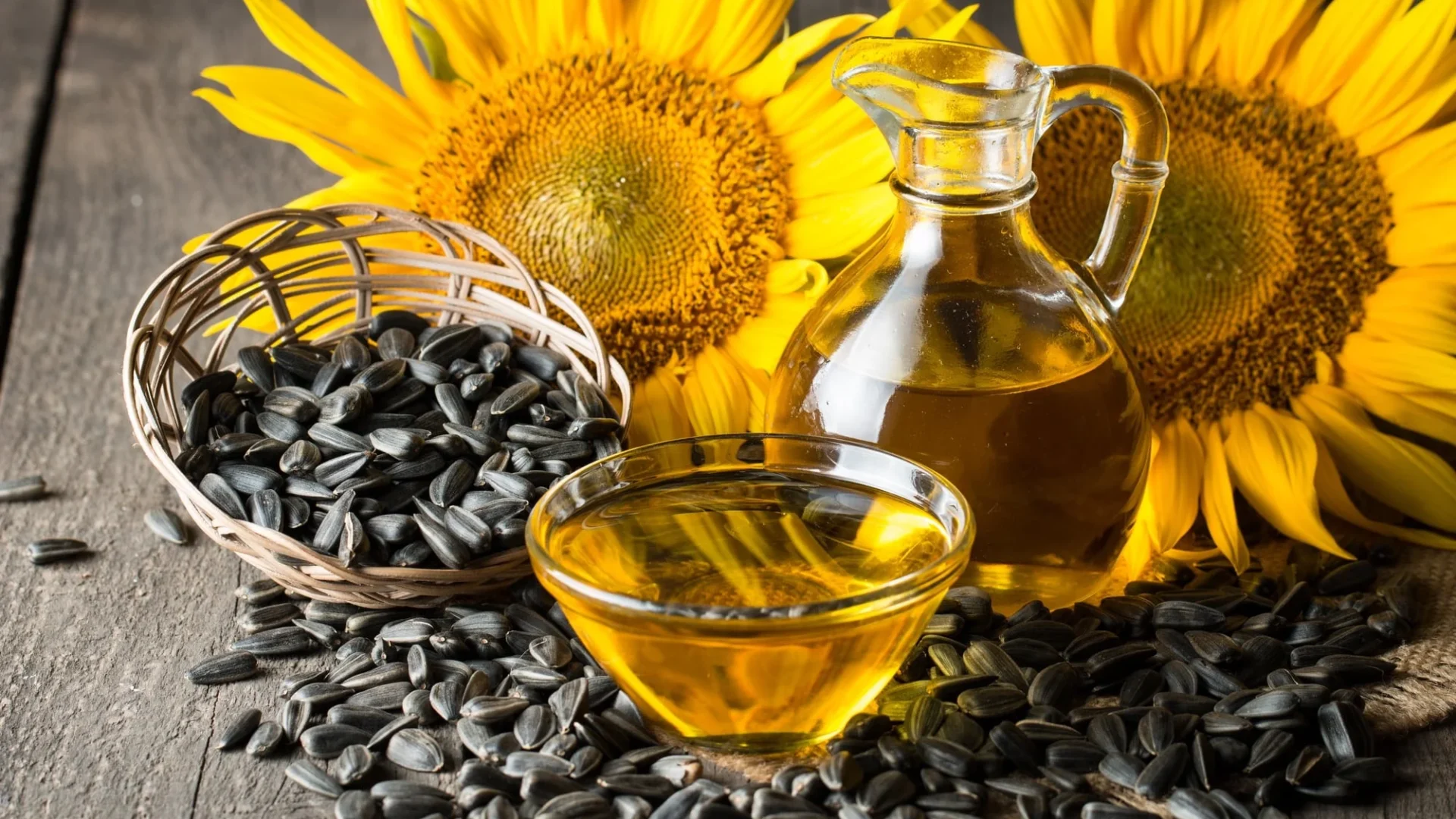

The Sunflower Oil
Sunflower oil is made from pressing sunflower seeds and extracting the oil. It’s usually used for roasting, stir-frying and deep-frying due to its high smoke point. This means you can roast or fry at higher temperatures before the oil starts to smoke. Use sunflower oil for roast potatoes, Yorkshire puddings, stir-frying vegetables or even in bakes as a replacement for butter.
A variety of oils can be used for baking including vegetable, corn, safflower and rapeseed oil. Strong-tasting oils like olive, sesame and walnut oil are not generally suitable, although some people enjoy the distinct flavor that a mild olive oil imparts. Cake recipes that use oil instead of butter are ideal for those with a dairy allergy or intolerance.
Oil produces a moist cake that keeps well, usually three or four days. It is popularly used in carrot cake.
Sunflower oil Analysis:
Free Fatty Acids 0.2 – 0.4
Peroxide Value (meq/kg) 10 – 30
Colour Bright Gold
Moisture (%) 0.10 max
Flavor / Odour Typical, bland
Stearic Acid (C18:0) (%) 3.0 – 6.0
Oleic Acid (C18:1) (%) 78.0 – 82.0
Linoleic Acid (C18:2) (%) 8.0 – 15.0
Linolenic Acid (18:3) (%) 0.0 – 0.2
Sunflower oil for cooking
The neutral flavor of sunflower oil and its stability when heated mean it can be used cold in salad dressings or hot for cooking food at high temperatures. It is also ideal for making margarine. If heated beyond 210°C, the oil must not be consumed, as it releases toxic and carcinogenic compounds.
Sunflower Oil Benefits
It’s used as a source of polyunsaturated fat in the diet. People use sunflower oil for high cholesterol and preventing heart disease. It is also used for high blood pressure, eczema, dry mouth, dry skin, and many other conditions, but there is no good scientific evidence to support these uses.
Sunflower oil Nutrition
Lacking in proteins and carbohydrates, sunflower oil contains lipids and vitamins (E and K). A tablespoon of sunflower oil (15 ml) provides 122 kilocalories. Sunflower oil is rich in linoleic acid (a polyunsaturated omega-6 fatty acid), essential for humans as we are unable to synthesize them ourselves. It also contains oleic acids but has a relatively low amount of omega-3 fatty acids.